Cocaine and Synthetic Drugs in Cameroon: An Honest Guide for Parents (2026)
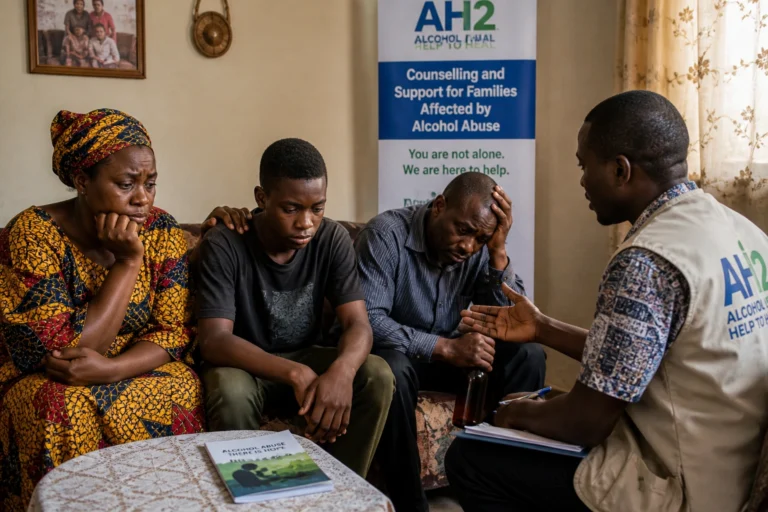
If you are a Cameroonian parent who has searched cocaine and synthetic drugs in Cameroon tonight because of something you saw, found, or heard about your child, this article is for you. You are not alone. You are not too late. And you are not going to find easy answers here — we will not promise you that. What you will find is a careful, sourced explanation of what cocaine and synthetic drugs in Cameroon actually are in 2026, the warning signs that genuinely matter, and a clear step-by-step path for what to do tomorrow morning. We have written this guide together with our recovery counsellors — the ones who take the calls from parents like you, every week. +237 694 682 198, Mon-Fri 9h-18h WAT.
What This Guide Will and Will Not Do
- It explains, in plain language, what cocaine and synthetic drugs are — and why both have changed in Cameroon since 2024.
- It gives you the warning signs counsellors actually look for — not the ones from generic articles.
- It tells you what to do in the next 24 hours, the next week, and the next month if you recognise these signs.
- It does not replace a face-to-face conversation with a counsellor or a doctor. It is a starting point, written honestly.
1. What Are We Actually Talking About?
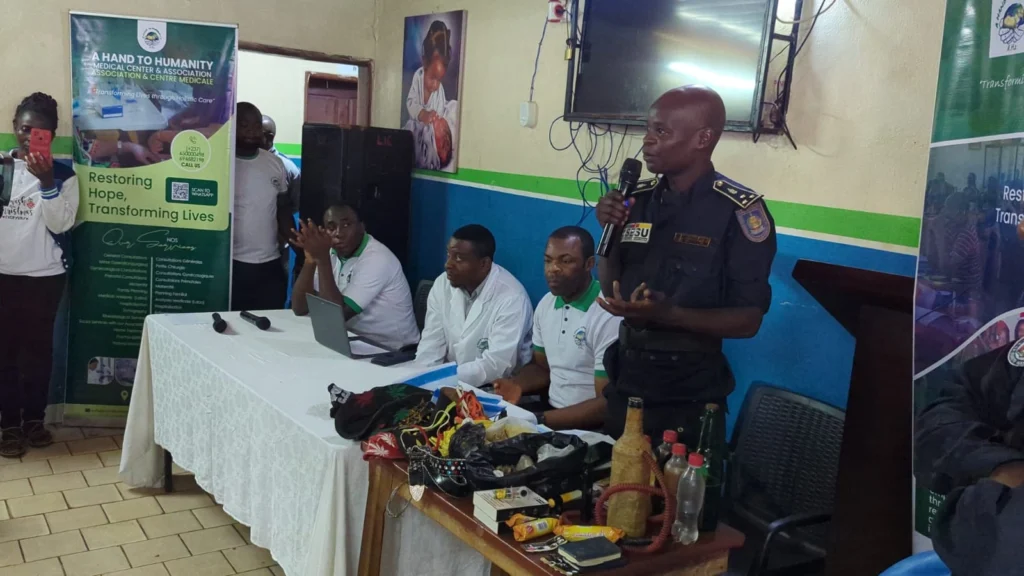
The phrase cocaine and synthetic drugs in Cameroon covers two very different categories of substance. Confusing them is one of the most common mistakes parents make. So let us be precise.
Cocaine is a powerful stimulant extracted from the coca plant. It is illegal in Cameroon. In its powder form, it is usually snorted; in its rock form (often called crack or base), it is smoked. Its effects are fast and intense, and they wear off quickly — which is one of the reasons it becomes addictive so rapidly.
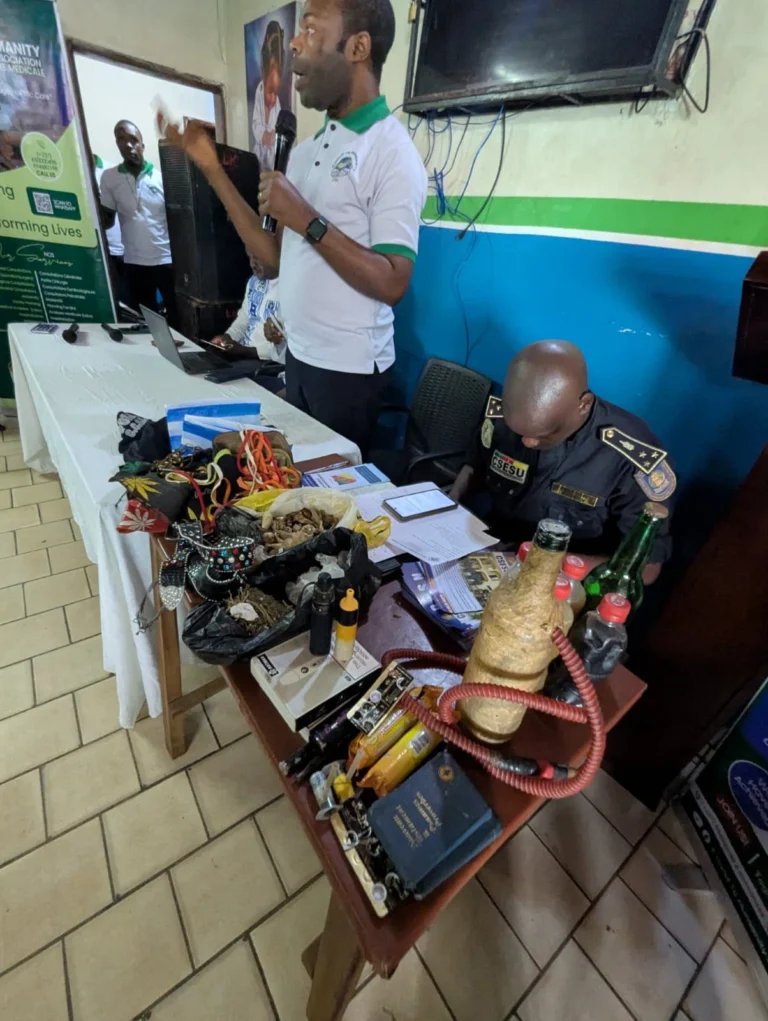
Synthetic drugs are a wider, faster-growing category. They include synthetic opioids, synthetic cannabinoids, methamphetamine, and a long and shifting list of substances produced in clandestine laboratories rather than from plants. Many synthetic drugs are sold under brand names that change every few weeks, and many are dangerously misrepresented as “natural” or “safe” by the people who sell them. They are not.
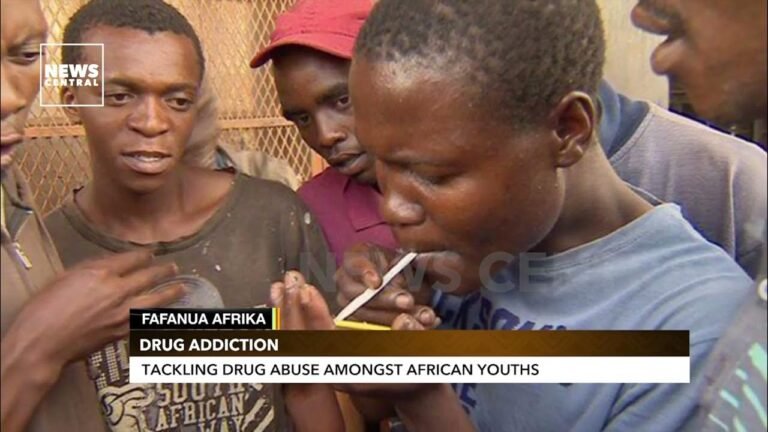
For a Cameroonian family in 2026, the practical distinction is this: cocaine is now arriving in Cameroon along trafficking routes that did not exist five years ago, and synthetic drugs are being produced and sold locally in forms that look harmless — pills, powders, sometimes liquid added to drinks. Both categories are reaching younger users than they ever did, and both are reaching them faster.
We will say this calmly, because there is no benefit in alarming you further: the cocaine and synthetic drugs in Cameroon landscape today is not the one we knew in 2018. If your information about these substances is older than two years, it is out of date.
2. The State of Cocaine and Synthetic Drugs in Cameroon (2026)
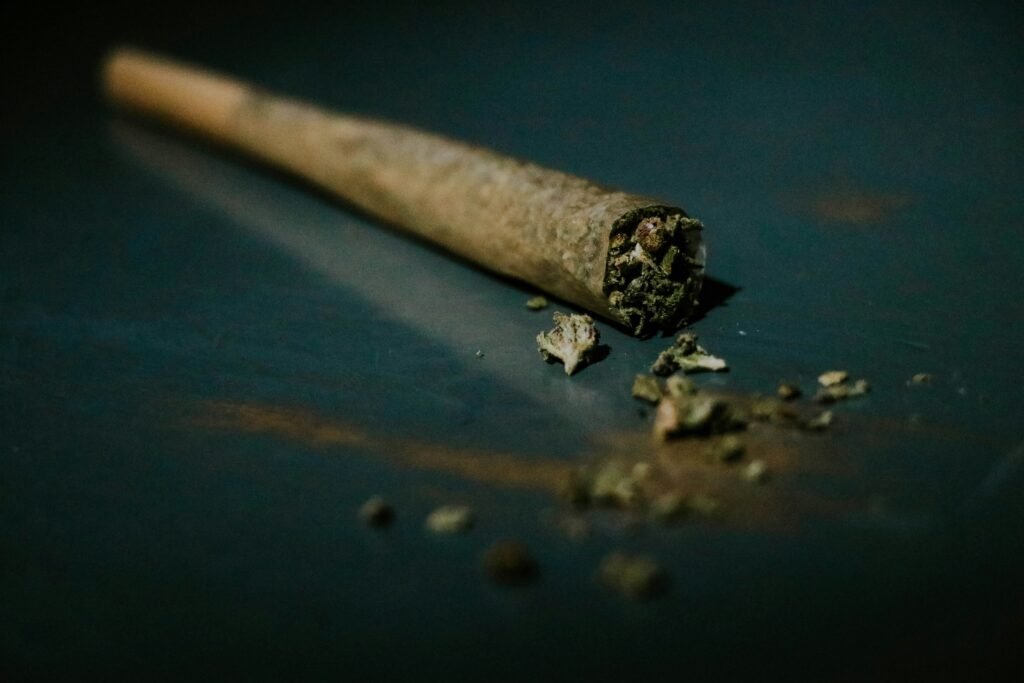
A clear-eyed picture matters more than headlines. Here is what the most reliable sources currently report.
- of recorded drug users in Cameroon are aged 19–32 (Source: UNODC World Drug Report 2024).
- Cocaine prevalence among recorded users has reached approximately : 12,10% a marked increase compared to the previous decade (Source: CNLD — Comité National de Lutte contre la Drogue, Cameroun.
- Cameroon’s Plan Stratégique National 2024–2030 de lutte contre la drogue identifies synthetic opioids and synthetic cannabinoids as the most rapidly growing categories of concern — particularly among secondary school and university students (Source: Ministry of Public Health, Cameroon).
- The Lake Chad Basin trafficking corridor has been formally identified by UNODC as one of the principal entry routes for cocaine destined for Central Africa.
We share these figures not to alarm you, but because at A Hand to Humanity NGO we have committed since 2020 to publishing only sourced numbers. If a statistic about cocaine and synthetic drugs in Cameroon cannot be attributed, we do not use it.
What this means practically for a parent: your child does not need to be in a “bad neighbourhood” to encounter these substances. They are reaching ordinary households across Yaoundé, Douala, Buea, and beyond. Awareness, not panic, is the right starting point.
3. The Warning Signs Every Cameroonian Parent Should Know
Generic articles list dozens of signs. Our counsellors, after thousands of family conversations, look for clusters — not single signs. A single bad week at school is not evidence of drug use. A change in three or four of the following dimensions, sustained over several weeks, is what matters.
Physical signs
- Unexplained weight loss or sudden loss of appetite over a short period.
- Red, glassy, or unusually small or large pupils outside their normal pattern.
- Persistent runny nose, frequent nosebleeds, or a chronic cough with no medical explanation (particularly relevant to cocaine and certain synthetic drugs).
- Unusual exhaustion alternating with periods of unusual energy.
- Marks on the inside of the arms or visible burns that the child cannot explain.
Behavioural signs
- A change in their friendship group, especially toward people the family does not know.
- Increased secrecy: a phone that is suddenly hidden, locked rooms, evasive responses to simple questions.
- Sudden need for money, missing cash from the household, missing items that could be resold.
- Sleep schedule disruption — staying out late, sleeping at unusual hours, returning home shortly before dawn.
School and emotional signs
- A clear and sustained drop in school performance, especially in subjects that were previously strong.
- Loss of interest in activities they used to care about — sport, music, family events, faith communities.
- Emotional volatility that is new: sudden anger, withdrawal, paranoia, or unusual emotional flatness.
A single sign means very little on its own. Three or four signs together, persisting over time, is the cluster pattern our counsellors take seriously. If you are seeing that pattern, the next section is what to do.
4. What To Do If You Recognise These Signs
This is the part of the guide most parents have looked for. We have written it carefully, with our counsellors, because the wrong first move can make the situation worse.
In the next 24 hours
Do not confront your child in anger. A confrontation driven by fear almost always closes the door. The instinct to demand answers immediately is understandable; the cost is that your child will lie, leave, or both.
Do not search their room while they are home. If you must look, do it calmly, when they are out, and do not announce what you find. You need time to think before reacting.
Do call a counsellor before you do anything else. This is the single most important step. A counsellor will help you separate what you are seeing from what you are fearing — and will give you a script for the first conversation. Our recovery line is open Monday to Friday, 9 a.m. to 6 p.m. WAT: +237 694 682 198 or via WhatsApp at +237 650 000 498. You can also email recovery@ahandtohumanity-ngo.org and we will respond within 24 hours.
In the next week
Have one conversation with your child — calm, private, brief. The script our counsellors recommend is not “I know you are using”. It is “I have been worried about some things I have noticed. Can we talk about how you are doing?” The aim of the first conversation is not to extract a confession. It is to keep the door open.
Talk to one trusted adult in your child’s life — a teacher, a coach, an uncle or aunt, a pastor — who sees them in a different setting. They may have observed things you have not.
Do not call the police as a first step, unless there is an immediate safety emergency. In Cameroon, criminalising the situation rarely leads to recovery and often leads to worse outcomes for the young person.
In the next month
Bring your child for a confidential medical assessment. This is something our team at AH2 routinely arranges — quietly, without stigma, and at a cost you can manage. The assessment helps clarify what is actually happening physiologically.
If addiction is confirmed, build a structured recovery plan with professional support. Recovery from cocaine and synthetic drugs in Cameroon is possible — we have seen it many times — but it almost never works without a structured plan, a counsellor, and patient family support.
5. Where to Get Real Help for Cocaine and Synthetic Drugs in Cameroon
The most important sentence in this guide is this one: you do not have to navigate this alone.
The following services are reachable, by phone or in person, and we have worked with most of them since 2020.
- A Hand to Humanity NGO Recovery Programme — Confidential family counselling, medical assessment referrals, structured recovery planning. Phone +237 694 682 198 · WhatsApp +237 650 000 498 · recovery@ahandtohumanity-ngo.org · Recovery programme details.
- Cameroon Ministry of Public Health (Minsanté) — Addiction and Mental Health Services. Public consultation available at district hospital level.
- CNLD — Comité National de Lutte contre la Drogue. National-level coordination on drug prevention and recovery.
- For trafficking concerns or safety emergencies: Police (17) or Gendarmerie (113). We list these last, deliberately. They are not the first call for a family situation, but they are the right call for an immediate safety threat.
Medical disclaimer: This article is educational. It is not personal medical or legal advice. The information here is no substitute for a conversation with a qualified counsellor, doctor, or addiction specialist. If your child has used a substance and is currently unwell, call the nearest district hospital or +237 694 682 198 immediately.
6. A Word From the AH2 Recovery Team
“In every conversation we have had with a Cameroonian parent over the last six years, two things have been true. The first is that they almost always called later than they wished they had. The second is that they almost never regretted calling. If you have read this far, you are already further along than most. Pick up the phone tomorrow morning. We are not going to judge you. We are going to listen, and we are going to help you take the next step.”
— The AH2 Recovery Counselling Team
Frequently Asked Questions — Cocaine and Synthetic Drugs in Cameroon
What is the difference between cocaine and synthetic drugs?
Cocaine is a stimulant extracted from the coca plant, illegal in Cameroon, and increasingly available along trafficking routes that have grown since 2020. Synthetic drugs are a wider category produced in clandestine laboratories — synthetic opioids, synthetic cannabinoids, methamphetamine, and others. Both categories present serious risks. The detailed distinction is explained in section 1 of this guide.
How can I be sure my child is using cocaine or synthetic drugs in Cameroon, and not just going through a difficult phase?
You probably cannot be sure on your own — and that is exactly what a confidential conversation with a counsellor is for. Our team looks for clusters of warning signs sustained over several weeks (see section 3). A single bad week does not mean drug use. A pattern across three or four dimensions, over weeks, is what should prompt a call.
Is recovery from cocaine and synthetic drugs in Cameroon really possible?
Yes. We have seen it. It is rarely fast, and it almost never works without a structured plan, a counsellor, and steady family support. Section 4 outlines the realistic path. The Recovery Programme at AH2 has been running structured family-based recovery support since 2022.
Will calling the AH2 recovery line cost me anything?
The first consultation is free and confidential. Subsequent steps — medical assessment, structured recovery support — are discussed openly so you know the costs in advance. No family is turned away because of financial constraints; we have a solidarity tier for the most fragile situations.
Should I call the police if I think my child is using?
Almost never as a first step. Criminalising the situation in Cameroon rarely leads to recovery, and often makes the situation worse for the young person and the family. Call us first. We will help you decide if and when other steps are appropriate.
Sources & References
- United Nations Office on Drugs and Crime — World Drug Report 2024 (Africa chapter): unodc.org
- World Health Organization, African Region — Substance Use and Mental Health Data: afro.who.int
- Cameroon Ministry of Public Health (Minsanté) — National Drug Strategy 2024–2030 [À VÉRIFIER : URL exact du document]: minsante.cm
- PubMed Central — Substance Use in Cameroon, Selected Studies 2022–2024: ncbi.nlm.nih.gov/pmc
- A Hand to Humanity NGO — Recovery Programme · Tramadol Addiction in Cameroon · Cannabis Addiction Help · Drug Abuse in Cameroon — Solutions · About AH2
One Last Thing
If you have read this guide tonight, please do one thing tomorrow morning: write down the AH2 recovery line on a piece of paper and keep it somewhere you can find it again. +237 694 682 198. That is all. You do not have to call right now. But when you are ready, the number will be there.
📞 +237 694 682 198 (Mon–Fri, 9:00–18:00 WAT)
💬 WhatsApp +237 650 000 498
📧 recovery@ahandtohumanity-ngo.org
If you would like to support our recovery programme so that we can continue answering these calls, you can do so here — but only if you want to, and only when your own family is in a calmer place. This article is for you. Not for us.
Reviewed By
Rev. Peter Nillong, Founder & Executive Director of AH2, has overseen every field operation since 2020. AH2 is accredited by ISSUP (2022) and CADCA (2023), and is an institutional partner of the Cameroon Ministry of Health.