Tramadol Addiction in Cameroon: The Hidden Crisis Destroying Youth (2026)

In Cameroon, a quiet emergency is unfolding in school corridors, market stalls, and family homes. It does not make the headlines as often as it should. It does not carry the dramatic imagery of other drug crises. But its effects are devastating — and it is accelerating.
Tramadol addiction in Cameroon is now one of the most urgent public health challenges facing the country’s youth, and most families do not see it coming until it is already too late.
This article exists to change that. If you are a parent, teacher, community leader, or a young person trying to understand what is happening around you — this is what you need to know.
What is tramadol — and why is it so dangerous in Cameroon?
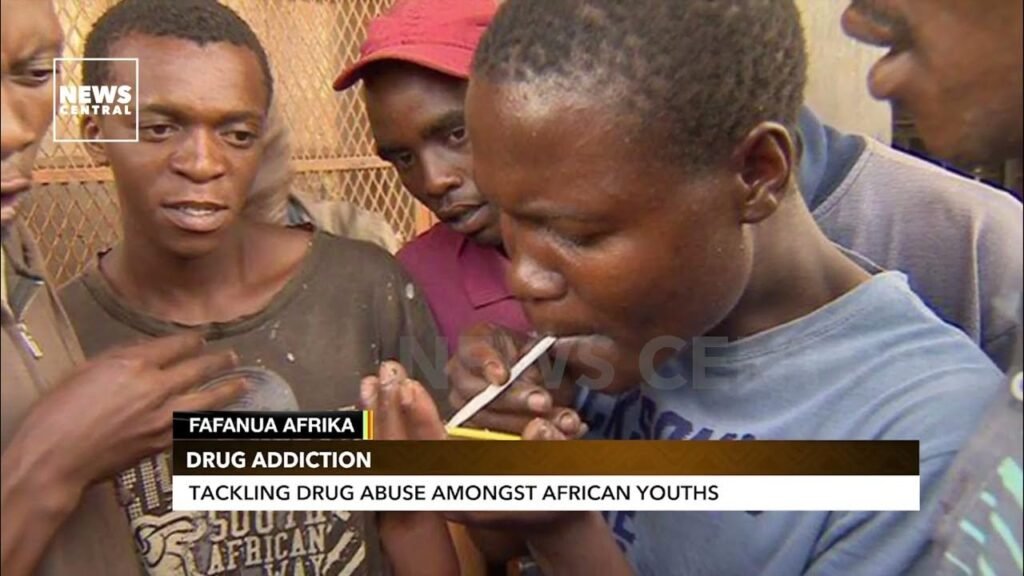
Tramadol is a prescription opioid painkiller, legally used under medical supervision to treat moderate to severe pain. In hospitals and clinics, properly dosed and monitored, it plays a legitimate role in healthcare.
But the tramadol circulating in Cameroon’s streets, markets, and school environments is something else entirely.
Research has found that illicit tramadol doses sold on pavements and in markets are typically two to five times higher than standard medical doses — between 100 and 250 mg compared to the standard 50 mg — which dramatically increases its addictive power. Its affordability, accessibility, and ease of concealment have made it widely popular among young Africans, earning it the grim nickname “the cocaine of the poor.” PubMed Central
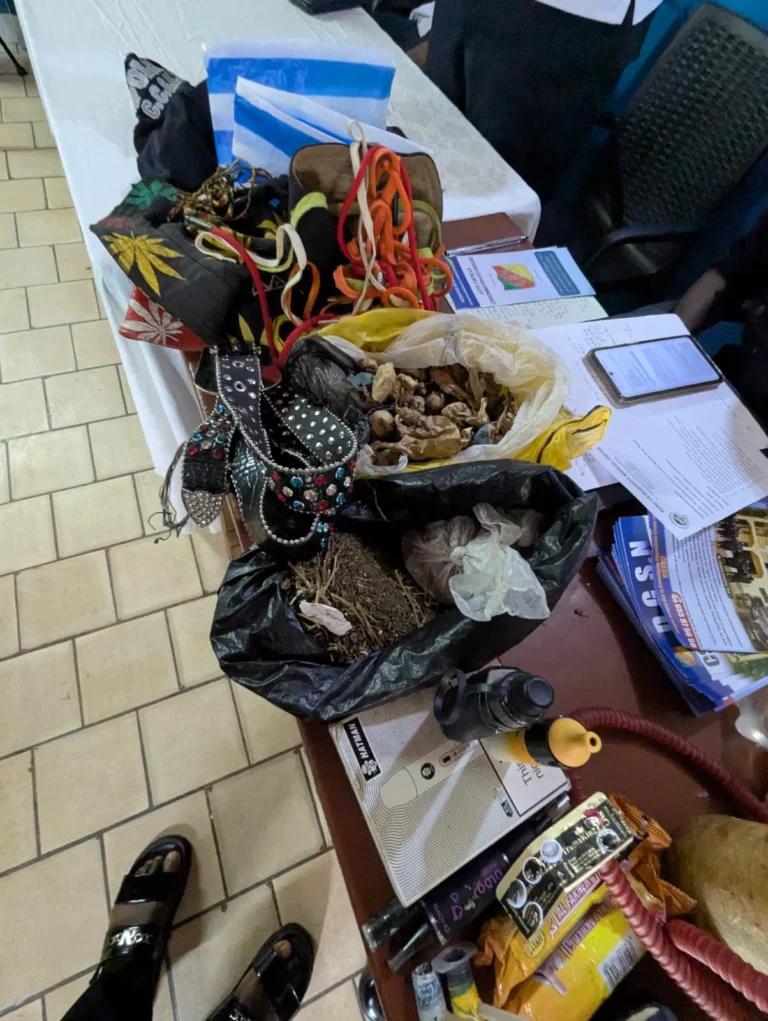
Annual seizures of tramadol in sub-Saharan Africa rose from 300 kg in 2013 to more than 3 tons in recent years, with Cameroon listed among the major transit and destination countries for the drug. PubMed Central
Unlike harder drugs that carry obvious stigma, tramadol looks like a medicine. It comes in a blister pack. It is sold openly in informal markets without a prescription. A teenager can buy it on the way home from school for a few hundred CFA francs. That normalcy is precisely what makes it so dangerous — and why so many families miss the signs until dependency has already taken hold.
According to the Comité National de Lutte Contre la Drogue (CNLD), the use of tramadol among youth is most often associated with the desire to feel good, as the drug produces intense initial feelings of pleasure and euphoria — followed by a rapid cycle of dependency. Epnetwork
The numbers Cameroon cannot afford to ignore
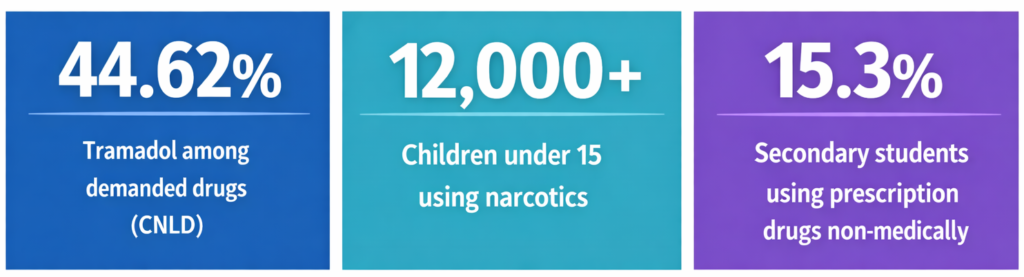
The scale of tramadol abuse among Cameroonian youth is documented — and it is growing.
According to CNLD data, 21% of the Cameroonian population has already tried a hard drug. Among these, tramadol is the second most demanded substance nationally at 44.62%, behind only cannabis. Ten percent of the population are frequent drug consumers, with 60% of them being young people aged 20 to 25. Temo Group
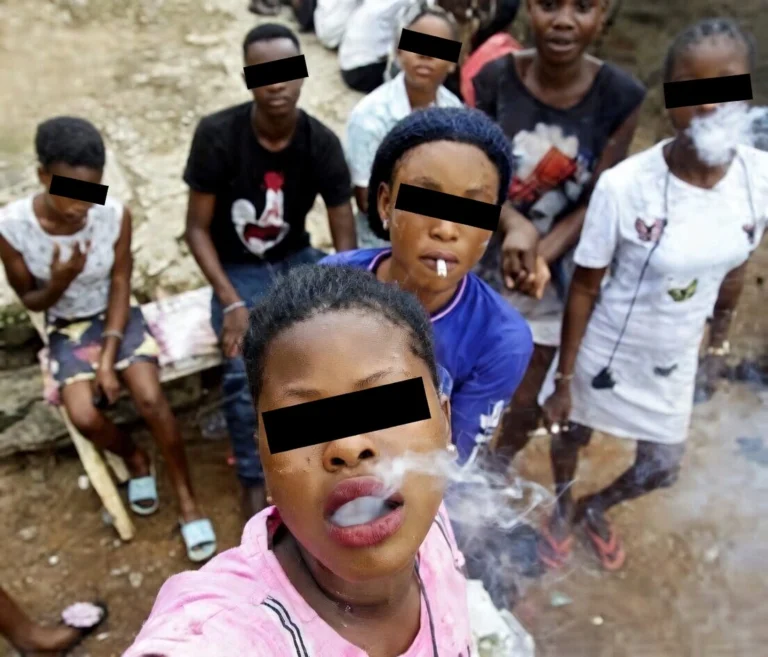
The picture at school level is equally alarming. A peer-reviewed study among secondary school students in Buea found that 15.3% reported non-medical use of prescription drugs, with tramadol being the most used substance. Up to 10.58% of students in the study were using opioids — primarily tramadol. PubMed Central
A study specifically among high school students in Yaoundé found that alcohol and tramadol consumption were reportedly linked to violent fights, rape, and even coma in some Cameroonian communities. PubMed Central
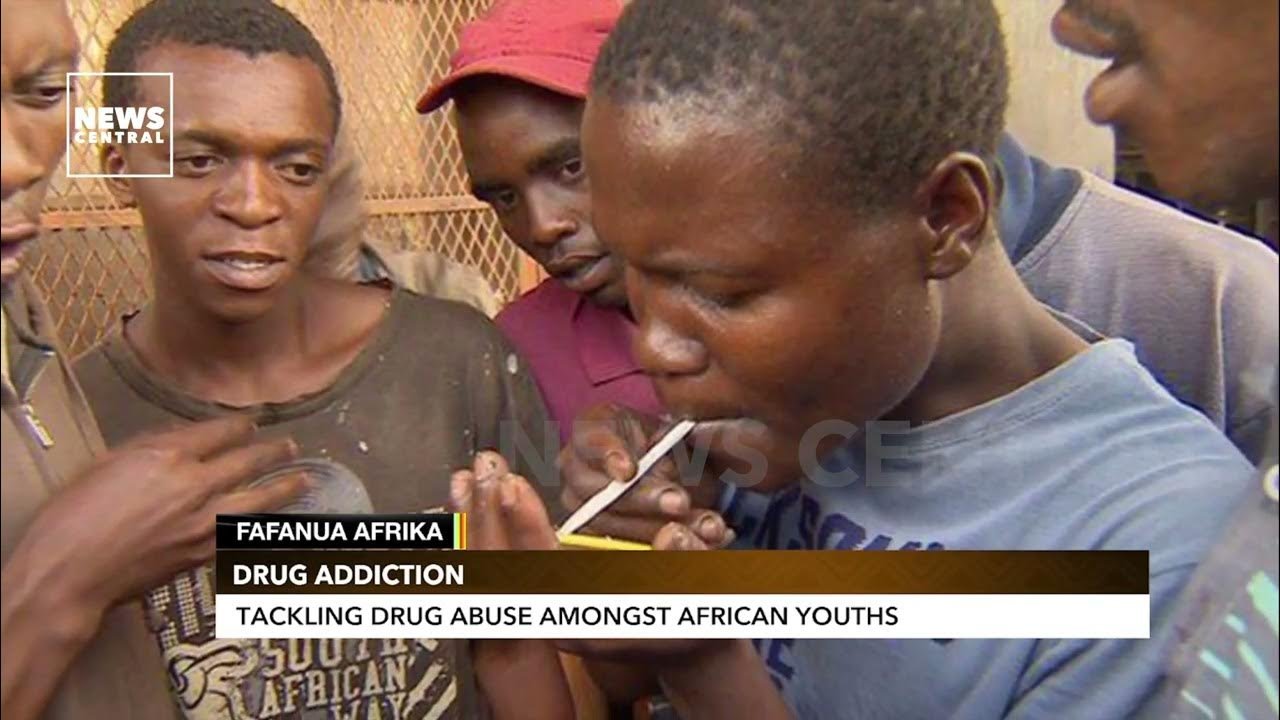
More than 12,000 young people under the age of 15 have already consumed narcotic drugs and psychotropic substances in Cameroon, according to CNLD. Epnetwork
These are not abstract numbers. They represent children sitting in classrooms, teenagers in your neighbourhood, young adults who had every reason to build a future — and who found a substance that temporarily numbed whatever pain or pressure they were carrying.
The reasons young people reach for tramadol in Cameroon are consistent across studies: the most commonly cited reasons for substance use include stress relief (91.7%), curiosity (35.8%), and peer pressure (13.7%), with friends identified as the prime source of substances in 66.9% of cases. PubMed Central
How tramadol addiction tears families apart
By the time most Cameroonian families recognise that tramadol is the problem, the dependency is already entrenched. This is not a failure of love or attention — it is a reflection of how well tramadol hides in plain sight.
The behavioural changes that accompany tramadol dependency are often mistaken for adolescent moodiness, stress, or academic pressure. A son who sleeps too much. A daughter who becomes irritable and withdrawn. A student whose grades collapse without explanation. A young person who needs money more and more frequently, for reasons they cannot or will not explain.
As dependency deepens, the effects become impossible to deny. Tramadol withdrawal — which begins within hours of the last dose for a dependent user — produces severe physical symptoms: nausea, sweating, muscle pain, insomnia, and intense anxiety. To avoid this, the addicted person will do whatever is necessary to maintain their supply. Relationships break down. Trust is destroyed. Academic futures are abandoned. And in the worst cases, the search for higher doses to achieve the same effect leads to overdose.
Research among tramadol-dependent youth in West Africa found that participants reported significant undesirable effects including severe vomiting, loss of appetite, seizures, emotional aloofness, and irritability — yet many continued use because the physical and psychological gratification, including euphoria, attentiveness, and a sense of energy, felt worth the cost. PubMed Central
For families watching this unfold, the experience is one of grief without a clear name — mourning a child who is still present but increasingly unreachable.
What A Hand to Humanity is doing — and how you can help
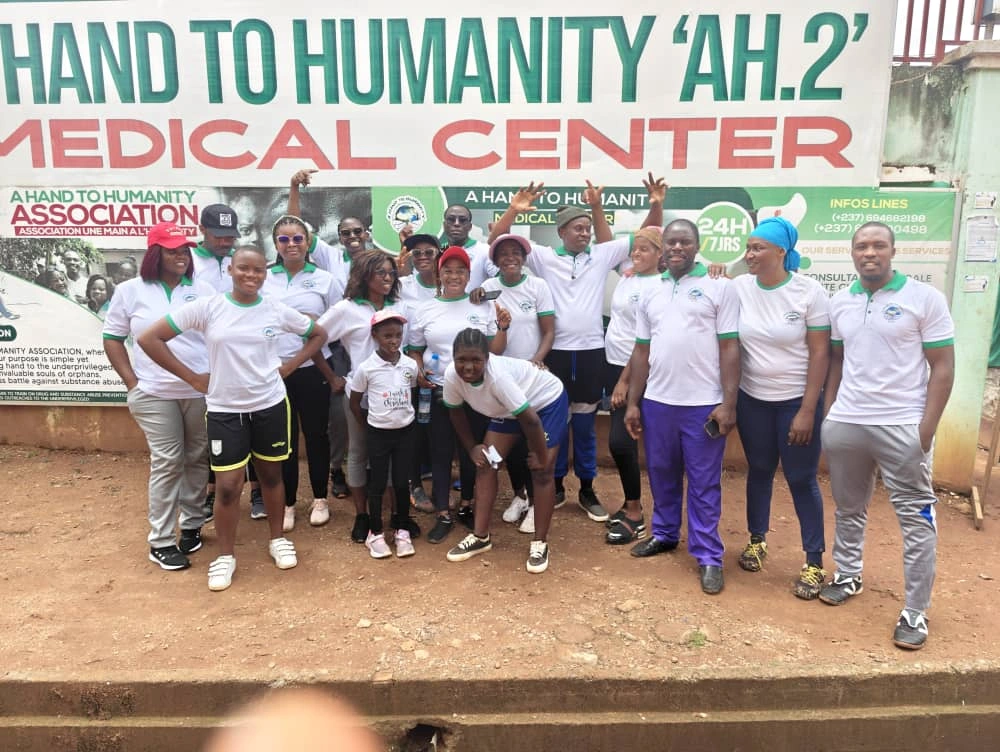
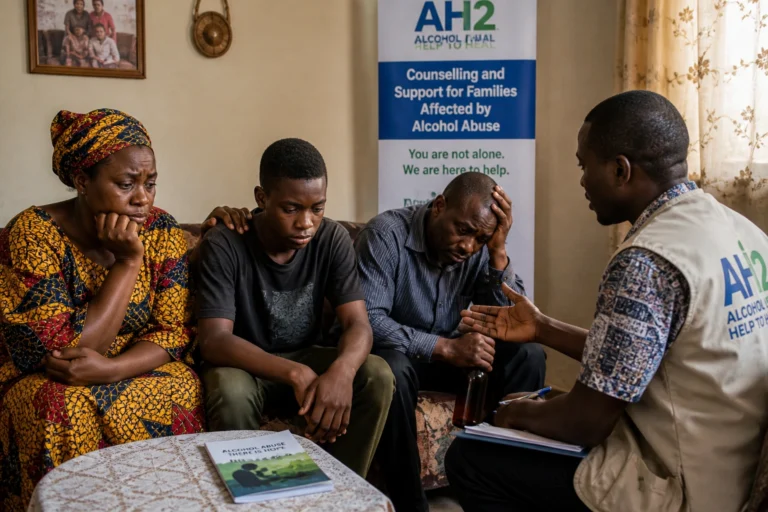
A Hand to Humanity (AH2) is a humanitarian NGO based in Yaoundé, Cameroon, working at the intersection of addiction prevention and community care since 2020. We believe that tramadol addiction in Cameroon— and substance abuse more broadly — is a health crisis, not a moral failure. And we believe that recovery is possible when people are met with compassion, professional support, and a community that does not abandon them.
Our addiction recovery programme provides three interconnected forms of support:
Psychological counselling — licensed counsellors work with individuals and families to address the trauma, anxiety, and underlying emotional pain that drive substance use. We work not only with the person struggling with addiction, but with their family, because addiction is a family experience.
Community awareness and prevention — our teams conduct drug prevention campaigns in schools, churches, and community centres across Yaoundé and beyond, equipping young people and parents with the knowledge and tools to recognise and resist tramadol before dependency takes hold.
Reintegration support — recovery does not end when substances stop. We walk alongside individuals through the process of rebuilding their lives — their relationships, their sense of purpose, and their place in their community.
We do not work from a distance. We are your neighbours in Yaoundé, serving communities we know and love.
If you are a parent who suspects your child may be using tramadol, do not wait. Early intervention is the single most important factor in successful recovery. The conversation is hard — but silence is harder.
If you are a donor or partner who believes Cameroonian youth deserve better than a future cut short by addiction, your support makes our work possible. Every contribution funds a counselling session, a school prevention campaign, a family that finds its way back to each other.
Get help today — you do not have to face this alone

Tramadol addiction in Cameroon is a crisis. But it is not an inevitable one. With the right support, at the right time, recovery happens — every day, in our programmes, in our communities, in the lives of the families we serve.
Contact A Hand to Humanity:
📞 +237 694-682-198 / +237 650-000-498 📧 info@ahandtohumanity-ngo.org 📍 Depot Guinness Etoug-Ebe, Yaoundé, Cameroon
Contact our team for immediate support →
Support our addiction recovery programme →
Learn about our community prevention campaigns →
A Hand to Humanity is a humanitarian NGO based in Yaoundé, Cameroon. Since 2020, we have provided addiction recovery support, psychological counselling, and community prevention programmes to vulnerable individuals and families across Cameroon.
Pour en savoir plus, consultez notre article sur drug addiction help in Cameroon.