My Child Is Addicted to Drugs in Cameroon — An Honest Guide to Getting Real Help (2026)
Finding drug addiction help in Cameroon is one of the hardest things a parent will ever search for. If you are reading this, you have already taken the most important step.
You noticed something was wrong — but you told yourself it was stress, or adolescence, or a difficult phase. Then the signs became impossible to ignore. The mood swings. The money disappearing. The bloodshot eyes. The lies. The child you raised becoming someone you no longer recognize.
If this is your reality today, know this first: you are not alone, and this is not your failure as a parent.
Drug addiction is a growing crisis in Cameroon — one that touches families in every neighbourhood, every city, every social class. But it is a crisis that can be faced. This guide will walk you through exactly what to do, step by step.
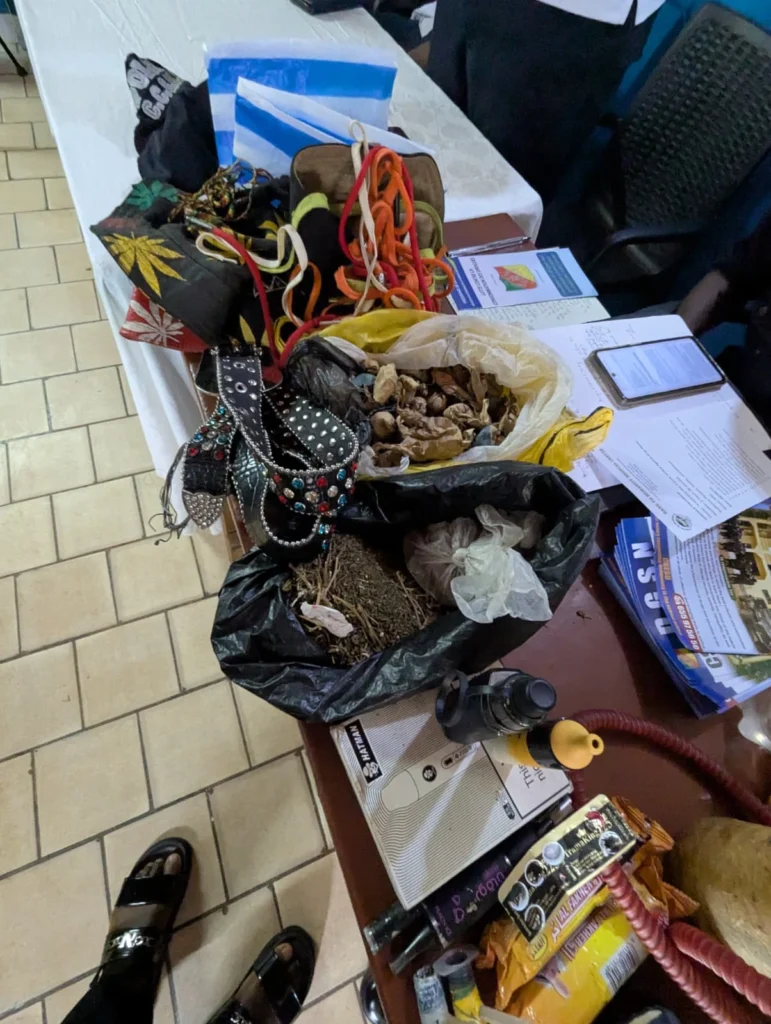
How Serious Is Drug Addiction in Cameroon Among Youth?
The numbers are difficult to read — but understanding them helps parents recognize that what they are seeing is real, widespread, and not unique to their family.
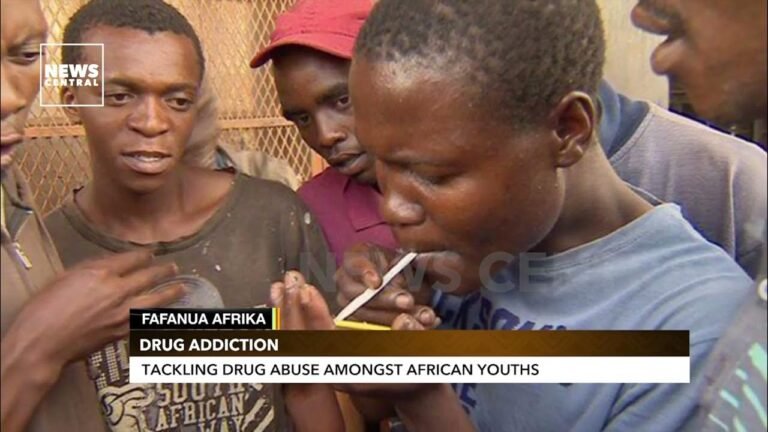
According to Cameroon’s National Commission for the Fight Against Drugs (CNLD), 21% of the Cameroonian population has already tried a hard drug. The most demanded substances include cannabis (58.54%), tramadol (44.62%), and cocaine (12.10%). The CNLD also reported that more than 12,000 young people under the age of 15 are consuming narcotic drugs and psychotropic substances. Business in Cameroon
A study among high school students in Yaoundé found that over 42% had already consumed at least one psychoactive substance, with male gender, depression, and low self-esteem identified as the main risk factors. Crucially, the same research found that increased parental concern about drug use served as a protective factor — meaning your involvement genuinely matters. PubMed Central
The most commonly abused substances among Cameroonian youth today are:
Alcohol — the most widely used gateway substance, present in nearly all peer social settings.
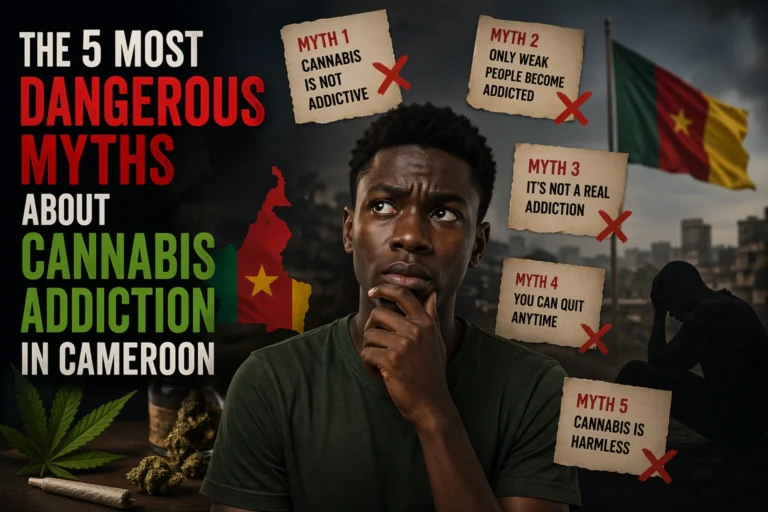
Cannabis — marijuana alongside a large range of pharmaceutical drugs remain the most abused substances by youth in Cameroon, according to multiple studies. PubMed Central
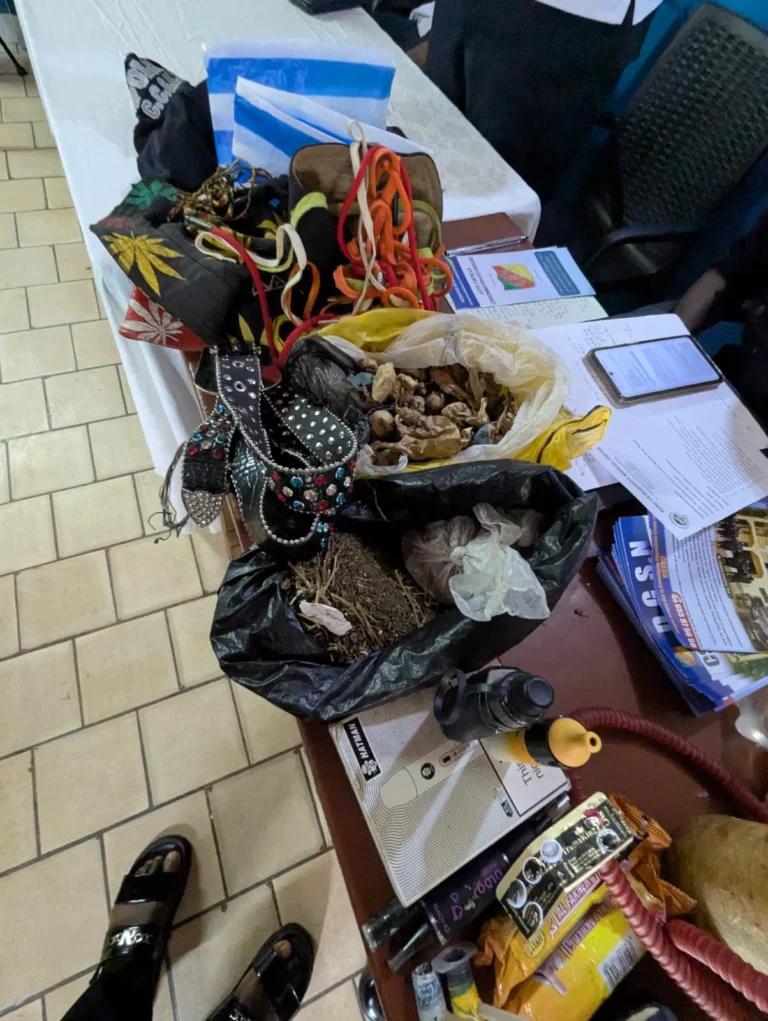
Tramadol — there are increasing reports of the abuse of tramadol, an analgesic opioid drug, by youth, with the primary aim of achieving mood and performance enhancement. PubMed Central It is sold openly in informal markets across Cameroonian cities and is dangerously accessible to adolescents.
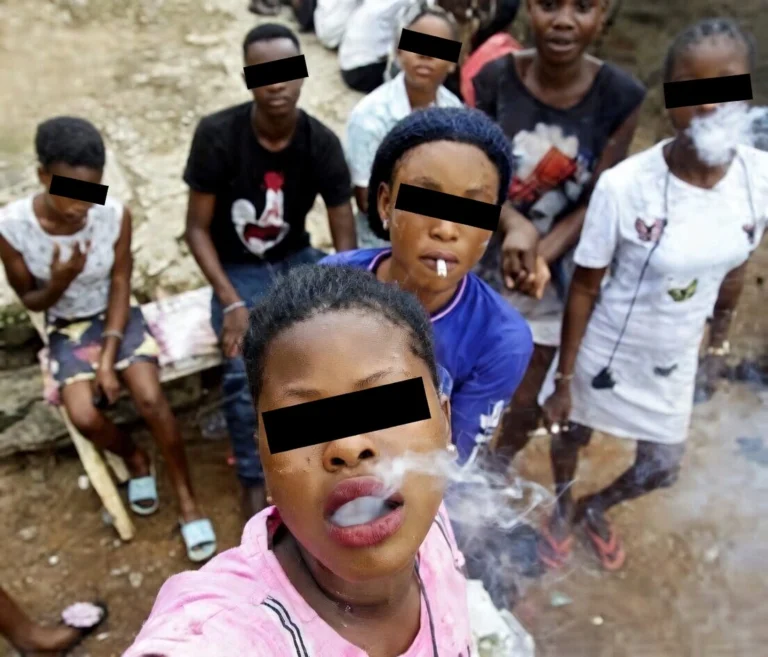
Shisha and tobacco — within school settings, the consumption rate of alcohol, shisha, and tobacco reaches 82%, 46%, and 25% respectively, making these the most common entry points into substance use. International Society for Human Rights
What are the warning signs of drug addiction in a young person?
Parents often sense that something is wrong long before they can name what it is. These are the signs that warrant serious attention:
Behavioural changes: withdrawal from family, sudden loss of interest in previously enjoyed activities, secretiveness, staying out late or disappearing for hours without explanation.
Physical signs: bloodshot or glassy eyes, unexplained weight loss, changes in sleep patterns (sleeping all day or not sleeping at night), poor hygiene, tremors or slowed speech.
Social and academic warning signs: declining school performance, new friends you have never met, cutting contact with old friends, frequent requests for money without explanation.
Psychological signs: extreme mood swings, sudden aggression or emotional coldness, paranoia, periods of unusual euphoria followed by deep withdrawal.
Financial signs: money disappearing from the household, personal belongings going missing, unexplained debts.
One or two of these signs may have another explanation. A combination of several, appearing suddenly and together, is a serious signal that should not be ignored or minimised.
What NOT to do — the mistakes that make things worse
Before explaining what works, it is important to name what does not — because many well-meaning parents inadvertently push their child deeper into addiction.
Do not react with immediate rage and ultimatums. A child already in addiction is in a psychological state that cannot respond well to threats alone. Ultimatums without support push young people away from family and deeper into the drug environment that feels safer to them.
Do not cover up or enable. Paying debts, lying to teachers, or pretending nothing is happening protects the addiction — not the child. Families that enable out of love often delay the very crisis that leads to recovery.
Do not isolate yourself as a family. Shame is the enemy of recovery — for the addicted person and for the family. The silence that comes from shame prevents families from finding the help that exists.
Do not wait for “rock bottom.” The idea that an addicted person must lose everything before they can recover is a myth that costs lives. Early intervention produces significantly better outcomes than waiting.
What TO do — a step-by-step approach for Cameroonian families
Step 1: Educate yourself before confronting your child
Before any conversation happens, understand what you are dealing with. Addiction is not a moral failing or a choice — it is a condition that changes the brain’s chemistry and decision-making. Understanding this will change how you communicate, and how your child hears you.
Specifically, understand which substance your child is using — the approach to cannabis dependency is different from tramadol dependency, which is different from alcohol. If you are unsure, a healthcare professional can help identify substances through a medical evaluation.
Step 2: Choose the right moment for the conversation
The conversation that matters — the one where you name what you see and express your love without conditions — must happen when your child is sober, rested, and not in a moment of crisis.
Choose a calm, private setting. Speak in the first person: “I have noticed”, “I am worried”, “I love you and I am frightened.” Avoid accusatory language: not “you are destroying this family” but “our family is suffering and I want to help you.”
Expect defensiveness, denial, and anger — especially at first. This is not the end of the conversation. It is often the beginning of one that will take place over many weeks.
Step 3: Involve a professional as early as possible
A trained counsellor or healthcare professional can do something a parent cannot — offer an objective, non-emotional perspective that the young person may be more willing to hear. They can also assess the severity of the dependency and recommend the appropriate level of support.
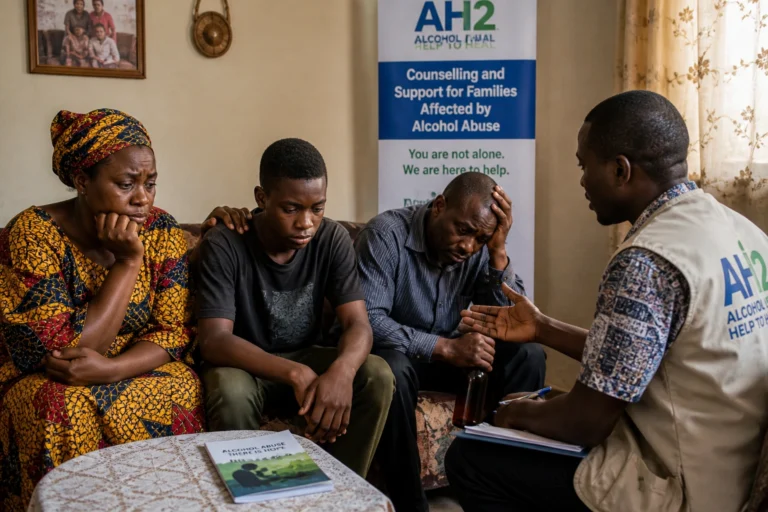
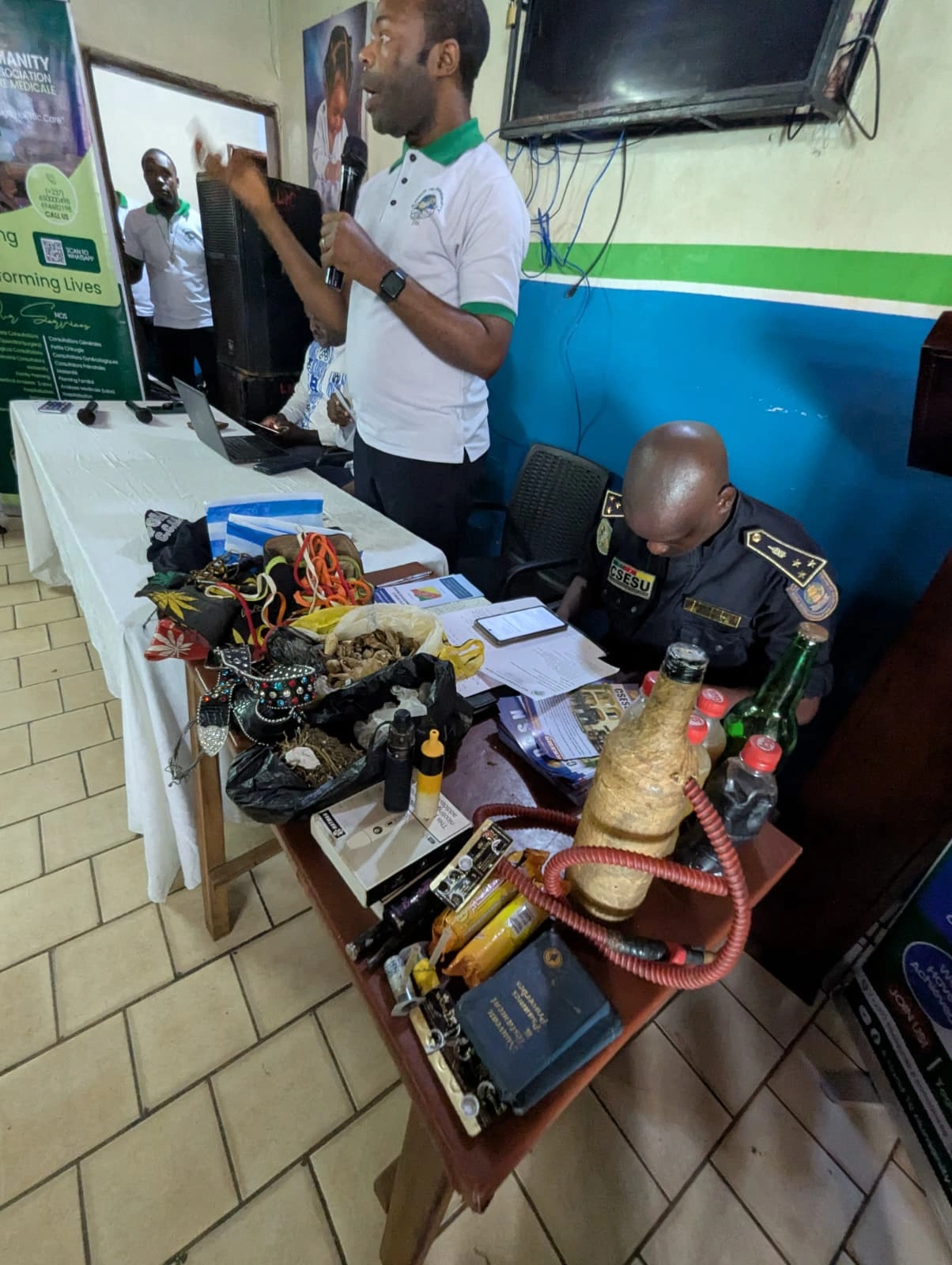
At A Hand to Humanity, our team provides psychological counselling and addiction support to individuals and families in Yaoundé. We work with families — not just the person struggling — because addiction is a family experience. Our approach combines psychological support, medical guidance where needed, and community reintegration, with a respect for each person’s dignity and pace.
Step 4: Create safety at home without enabling
This means removing substances and money from easy access without creating a prison-like environment. It means maintaining routines — mealtimes, family moments — that provide structure and connection. It means expressing love repeatedly and unconditionally, even when you are angry.
Recovery is rarely linear. There will be relapses. What matters is that the young person knows they have a home to return to and a family that has not given up.
Step 5: Look after yourself
Parents of addicted children suffer deeply — from guilt, grief, fear, and exhaustion. This is real and it is valid. You cannot be a source of support for your child if you are running on empty yourself.
Seek your own support — from a trusted friend, a pastor, a counsellor, or a support group. Families who look after themselves are more likely to sustain the long, difficult road to their child’s recovery.
Where to Get Drug Addiction Help in Cameroon
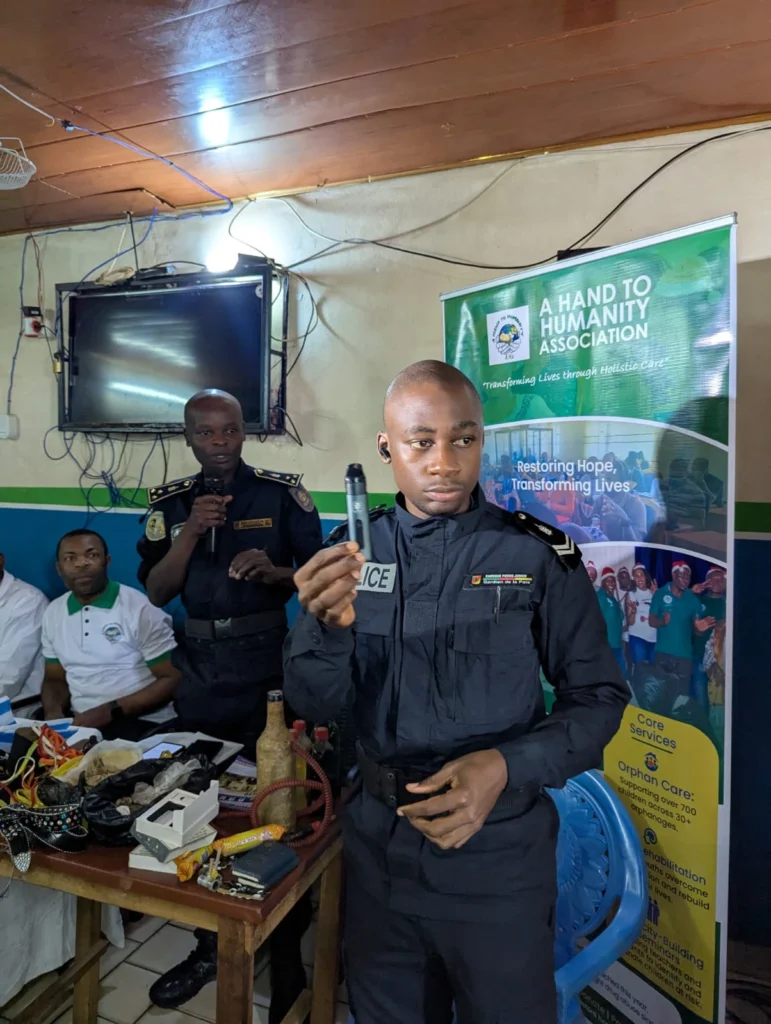
Where to find drug addiction help in Cameroon
A Hand to Humanity (Yaoundé) Our organisation provides addiction counselling, psychological support, and family guidance for those affected by substance abuse in Cameroon. We work from Yaoundé and conduct outreach programmes across the country. Our approach is compassionate, confidential, and centred on the dignity of each person we serve.
📞 +237 694-682-198 / +237 650-000-498 📧 recovery@ahandtohumanity-ngo.org 🌐 ahandtohumanity-ngo.org
Minds Center Cameroon A mental health and rehabilitation clinic operating in Yaoundé, Douala, and Buea, providing medical detox and psychiatric support for addiction.
Your local health district hospital In Cameroon, district hospitals can provide initial medical assessment and referrals. Do not hesitate to speak with a doctor openly — they are bound by confidentiality.
You found this article for a reason
Perhaps you are reading this at midnight, after an argument you did not know how to finish. Perhaps you found something in your child’s room and have been sitting with it alone for days, not knowing who to tell.
You do not have to carry this alone. The fact that you are searching for answers — that you have not given up — is already the most important thing.
Reach out to us. Whether your child needs immediate support or you simply need someone to talk to as a parent, A Hand to Humanity is here.
Contact our team today → Support our addiction recovery programme →
A Hand to Humanity is a humanitarian NGO based in Yaoundé, Cameroon, providing addiction recovery support, psychological counselling, and community outreach to vulnerable individuals and families since 2020.
Get in touch
FAQ – Drug Addiction Help in Cameroon
If you would like to learn more about our organization or programs.
Pour en savoir plus, consultez notre article sur tramadol addiction crisis in Cameroon.